
Inclusive Economy
Economic equity is crucial to racial equity. An inclusive economy means everyone can contribute and earn with fair access to resources and opportunity.
The Challenge
Black workers and families lag other racial and ethnic groups in wealth, face ongoing disparities in income regardless of educational attainment, and struggle to save for retirement, impacting generational wealth.
Economic Policy Institute states, "black workers are not often offered and allotted equal pay, benefits, clean jobs, and better health outcomes." The wage gap represents an unfair divergence between the pay of different groups of people. Black workers have suffered some of the most significant harm from policy decisions discrediting affirmative action hiring practices.
Black Americans fear their current financial status. The economic and regulatory shifts under the Trump administration will undoubtedly shape the global landscape in significant ways, causing inflation, mass deportation, and a ban on diversity, equity, and inclusion, increasing racist practices within corporations, philanthropy, and the federal government.
Differences in Black and white Americans' economic status show how the harms of the past — slavery, segregation, redlining — live on in the present. Recognizing progress and the remaining challenges is essential to ensuring every Black American has a positive opportunity to build and fully participate in an equitable and inclusive economy.

Roadmap to Generational Wealth
Advancing economic equity is a crucial aspect of establishing holistic racial equity for Black families and communities. Black Americans should be able to contribute to the American economy, not merely as workers and consumers, but also as owners and drivers of their success and participation in the U.S. economy.
We're providing you with a roadmap that includes policy, services, tools, and resources to achieve generational wealth.
What we're fighting for
Diversity, Equity, and Inclusion
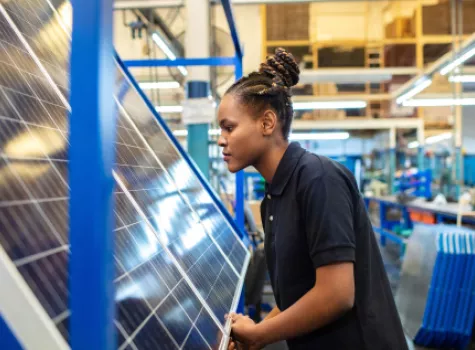
To address the racial unrest that exposed a slew of systemic inequities in American society, diversity, equity, and inclusion became the band-aid racial reckoning that corporations and educational institutions felt was a safe way to dabble in equity.
The NAACP takes a proactive stance against anti-black racism. Through policy, litigation, and advocacy, we are working to create a society where diversity, equity, and inclusion are not just ideals but protected rights integrated into the fabric of American life.

Access to Capital
For generations, entrenched disparities in Black society and economy, at times facilitated by the federal government, have made it harder for Black Americans to have a fair shot at the American dream. The lack of oversight on how federal dollars are disseminated to Black communities allows for a redlining mentality with state and local officials.
The NAACP recognizes that for the economy to work for Black people, we must advocate for access to capital. Through redlining and oppression, most Black communities have not gained economic momentum through federal capital, causing diminishing infrastructure and little economic revitalization.

Economic Mobility
An inclusive economy is one where Black people and communities of color have equal access to opportunity and economic mobility such that race no longer determines life outcomes. We provide solutions, capital, resources, and power to gain revitalization and renewal for Black communities and communities of color. This means that Black people are equitable contributors and influencers of how our economy functions and the laws, policies, and practices that govern it.
The road to achieving economic mobility begins with dismantling structural racism and creating stability for Black Americans and other communities of color.
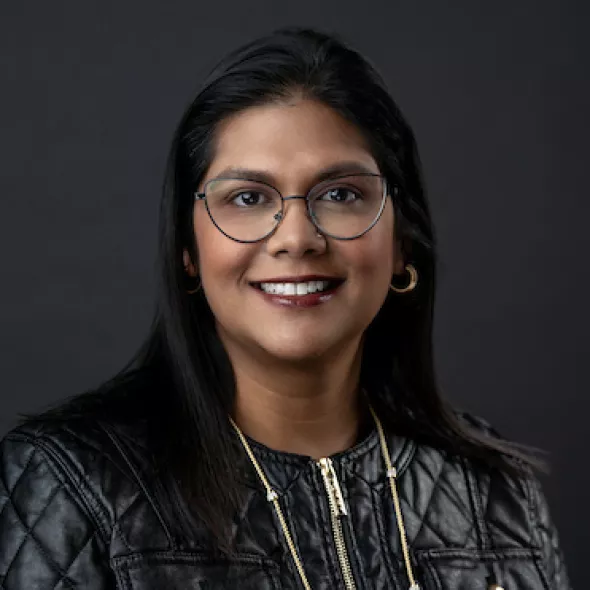
Meet Keisha Deonarine Bross
Keisha Deonarine Bross is a prominent figure in the field of social justice work and community advocacy. She is currently leading as Director of Opportunity, Race, and Justice at the NAACP, where she oversees the organization's national inclusive economy strategy. Keisha's work centers around driving transformative change with a racial equity lens, specifically aimed at advancing the progress of Black and Brown economy.
Paving the Way for Black Businesses
Diversity, equity, and inclusion are three closely linked values held by many organizations, institutions, entities, and education systems that are working to be supportive of different groups of individuals, including people of different races, ethnicities, religions, abilities, genders, and sexual orientations.
Read More
To champion true racial equity, we need to address the long-standing economic inequality that has left Black communities underfunded and undervalued for centuries.
- Derrick Johnson, President and CEO, NAACPINCLUSIVE ECONOMIC POLICIES
Accelerating an inclusive economy requires bold policy solutions, and a sustained and comprehensive multi-sector approach — working alongside community leaders, elected officials, and allies to close opportunity gaps.